
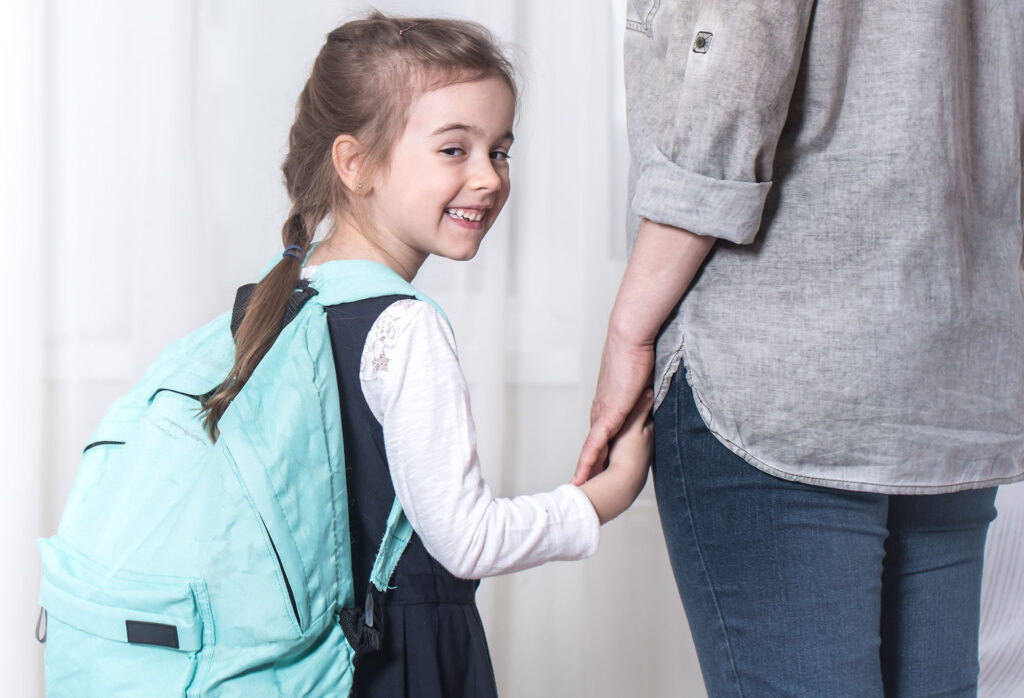
As parents, determining when our child is ready to start school is one of our most significant decisions. The question of readiness and the ideal age for classroom entry can be perplexing. Research on this subject has consistently shown that child maturation varies, making it crucial to consider individual developmental factors. Pushing a child into school prematurely can result in negative consequences, such as frustration, resistance to learning, early school failure, and disciplinary issues.
In this blog post, we will explore the concept of school readiness and provide insights to help parents make informed decisions.

Understanding School Readiness
According to the Australian Research Alliance for Children and Youth, early childhood experiences have lifelong implications for a child’s health, well-being, and development. While these experiences do not solely determine a child’s future, they set them on trajectories that become increasingly difficult to modify over time. Therefore, it is essential to consider various factors before determining if your child is ready for school.
Key Findings of the Research
Research indicates that sending a child unprepared to kindergarten can have significant consequences. Some of the key findings include:
- Academic Challenges: Not-ready children tend to struggle academically, potentially leading to lower educational achievements in the long run.
- Emotional Impact: These children are more likely to experience anxiety and depression when they reach primary and high school.
- Educational Continuation: They are less likely to continue their education beyond grade 10, which can limit their future opportunities.

On the other hand, holding a school-ready child back for an additional year may have its drawbacks, including:
- Boredom and Demotivation: Children who are held back may feel unchallenged, leading to disengagement and reduced motivation.
-
- Social Dynamics: Interacting with less mature peers occasionally results in acting out or immaturity.
Finding the Balance
The decision of when to start school is a complex one. It’s important to note that repeating a child at a later stage can negatively impact their confidence and social skills. We want the first year of school to be a positive and successful experience rather than merely a coping mechanism. Consulting with professionals, such as psychologists, can provide valuable guidance and reassurance in making informed decisions for your child’s education

Conclusion:
Determining your child’s readiness for school requires careful consideration of their individual development and maturity. Rushing or delaying their entry can affect their academic performance, emotional well-being, and future opportunities. By seeking professional advice and understanding the research findings on school readiness, parents can make confident decisions that support their child’s overall success and enjoyment of the educational journey.